

Which Battery Storage System Is Right for Your Home?
The right battery is not simply the largest one available. It should be designed around your electricity use, solar generation, future plans and what you want the system to achieve.
Usable Battery Capacity
Capacity is measured in kilowatt-hours and determines how much electricity the battery can store for later use.
Power Output
Output determines how much electricity the battery can deliver at once and which appliances it can support simultaneously.
Backup Power
Battery storage does not automatically provide power during an outage. Backup requires compatible equipment and a suitable design.
System Compatibility
The battery must be compatible with your solar inverter, electrical installation, monitoring platform and proposed operating mode.
Smart Tariff Use
Some households charge their battery during lower-cost periods and use the stored electricity when import prices are higher.
Warranty and Support
Compare the product warranty, expected battery life, performance conditions, monitoring and aftercare available.
Genfit will review your electricity usage, solar generation, available installation space and future plans before recommending a suitable battery system.
Future requirements such as an electric vehicle, heat pump or increased household electricity use should also be considered when designing your system.
Store More Energy With Tesla Powerwall 3
Powerwall 3 stores electricity generated by your solar panels or purchased from the grid, allowing your home to use that energy when it is needed most.
Store excess solar electricity for use later in the day
Charge from the grid using a suitable time-of-use tariff
Monitor energy generation, storage and usage in the Tesla app
Add backup capability where included in the system design
Considering backup power? The circuits or property loads that can be supported will depend on the electrical installation, available battery output and the backup equipment included in the design.
Make More of Your Solar With SolarEdge Battery Storage
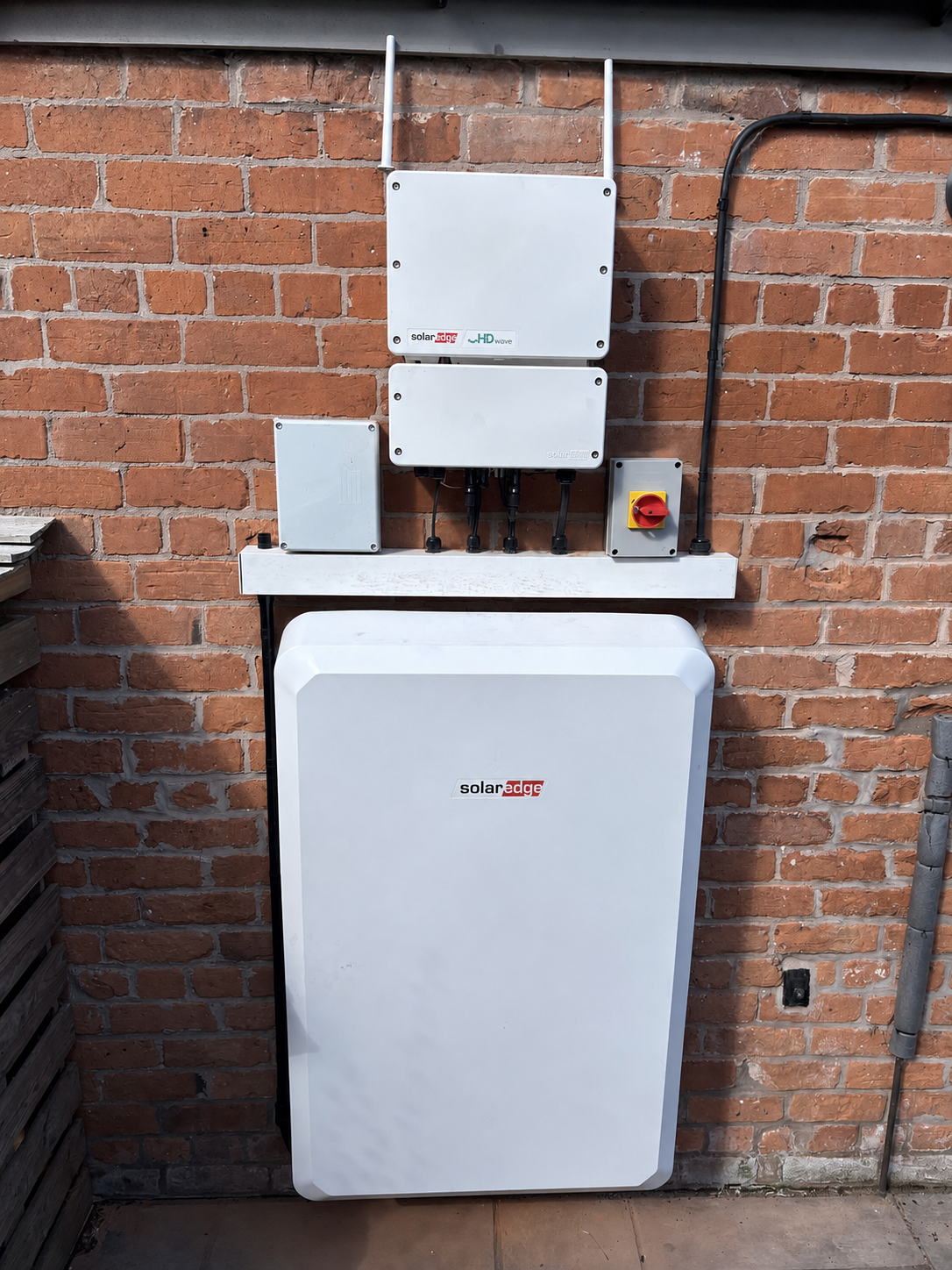
A SolarEdge Home Battery stores surplus solar electricity so your home can use it later. It works as part of the wider SolarEdge Home system, bringing solar generation, battery storage and monitoring together.
DC-Coupled Storage
Surplus solar electricity can be stored directly within the SolarEdge system for efficient use later.
Scalable Capacity
Compatible systems can use multiple battery units or modules, allowing storage capacity to be designed around your home.
Smart Energy Management
View solar generation, battery status and household energy information through the mySolarEdge app.
10-Year Warranty
SolarEdge Home Batteries include a manufacturer warranty, subject to the applicable warranty terms and operating conditions.
Would you like backup power? Backup is available only with compatible SolarEdge equipment and a system specifically designed for operation during a grid outage.
What Can You Expect From Modern Battery Storage?
A professionally designed home battery system can help you use more of your solar electricity, manage when you buy energy from the grid and monitor how your home uses electricity.
Use More of Your Solar
Store surplus solar electricity generated during the day and use it later when your panels are producing less energy.
Make Use of Smart Tariffs
A compatible battery can charge during lower-cost periods and supply your home when electricity import prices are higher.
Monitor Your Energy
Compatible monitoring platforms let you view solar generation, battery status and household electricity use.
Optional Backup Power
Compatible systems can support selected circuits or property loads during an outage when backup equipment is included in the design.
Battery size, output and functionality should be matched to your electricity usage, solar generation, property and future plans.
Savings, backup duration and system performance vary depending on the equipment, tariff, household usage and installation design.
Why Choose Tesla Powerwall?
Powerwall 3 combines battery storage, solar integration and intelligent energy management in one streamlined home energy system.
Integrated SolarIntegrated Solar Inverter
Powerwall 3 combines battery storage with an integrated solar inverter and system controller for a coordinated installation.
13.5kWh Capacity
Store surplus solar or lower-cost grid electricity for use when your home needs it later.
Backup Capability
A correctly designed system can keep selected circuits or suitable property loads operating during a grid outage.
Expandable Storage
Powerwall 3 can form part of a scalable system, with expansion options available for homes requiring additional capacity.
Tesla App Monitoring
Monitor solar production, battery status, household consumption and grid imports or exports through the Tesla app.
10-Year Warranty
Powerwall 3 includes a Tesla manufacturer warranty, subject to its applicable terms and operating conditions.
We’ll review your electricity usage, existing solar system, available installation space and backup requirements.
Available output, backup capability and expansion options depend on the property, local network conditions and final system design.
How a Home Battery Supports You Throughout the Day
Your solar panels, battery and grid connection work together automatically to help your home use energy at the most appropriate time.
Solar Generation Begins
As daylight increases, your solar panels begin generating electricity to help power your home.
Surplus Energy Is Stored
When your panels generate more electricity than the home is using, compatible systems can direct the surplus into the battery.
Stored Energy Powers Your Home
When solar generation falls, the battery can release stored electricity to reduce the amount imported from the grid.
Optional Off-Peak Charging
With a suitable time-of-use tariff, the battery may charge from the grid when electricity is available at a lower rate.
Standard battery storage does not automatically continue powering your home during an outage. Backup requires compatible equipment and must be included in the system design.
The exact energy flow will vary with the weather, household electricity use, battery settings, tariff and system design.