
Key Points About On-Roof Solar Panel Installations
-
Mounting: Panels sit on racks fixed to the roof using brackets, screws, or ballasted systems, depending on the roof type.
-
Roof Compatibility: Suitable for most roofs — tile, metal, asphalt, or flat. Some roofs may need extra reinforcement for safe installation.
-
Orientation & Tilt: Panels are positioned for maximum sunlight (south-facing in the Northern Hemisphere). Tilt angle is set based on the site’s latitude.
-
Wiring: Panels are wired in series or parallel, with conduit run to an inverter that converts DC power to usable AC.
-
Permits & Codes: Installations must follow local building and electrical regulations. Permits are usually required.
-
Maintenance: Occasional cleaning, performance checks, and inspections help keep the system running efficiently.
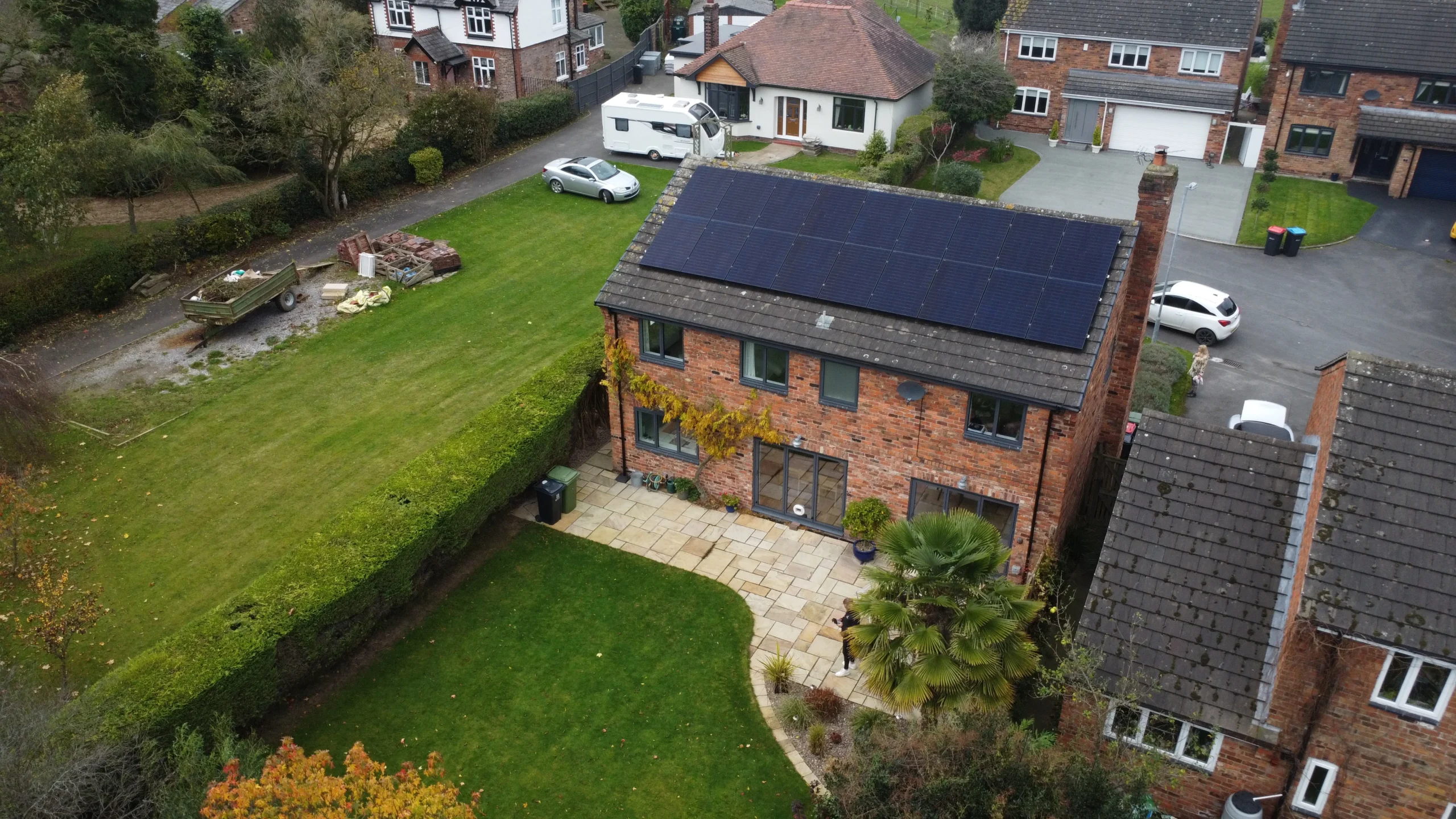

Advantages of On-Roof Solar Panel Installations
On-roof solar panel installations offer advantages such as relatively lower installation costs compared to in-roof installations, flexibility to retrofit existing roofs, and the ability to easily replace or upgrade individual panels if needed. It’s essential to engage with reputable solar installers who can assess your roof’s suitability, design an optimal system, and ensure proper installation for maximum energy production and longevity.
On-roof solar systems remain the most popular choice for homes and businesses thanks to their reliability, versatility, and strong performance. These installations sit securely on top of your existing roof covering, allowing for rapid installation with minimal disruption. Modern mounting systems ensure excellent ventilation beneath the panels, improving efficiency and extending system lifespan. With on-roof solar, you get a clean, streamlined look paired with proven energy savings year after year.