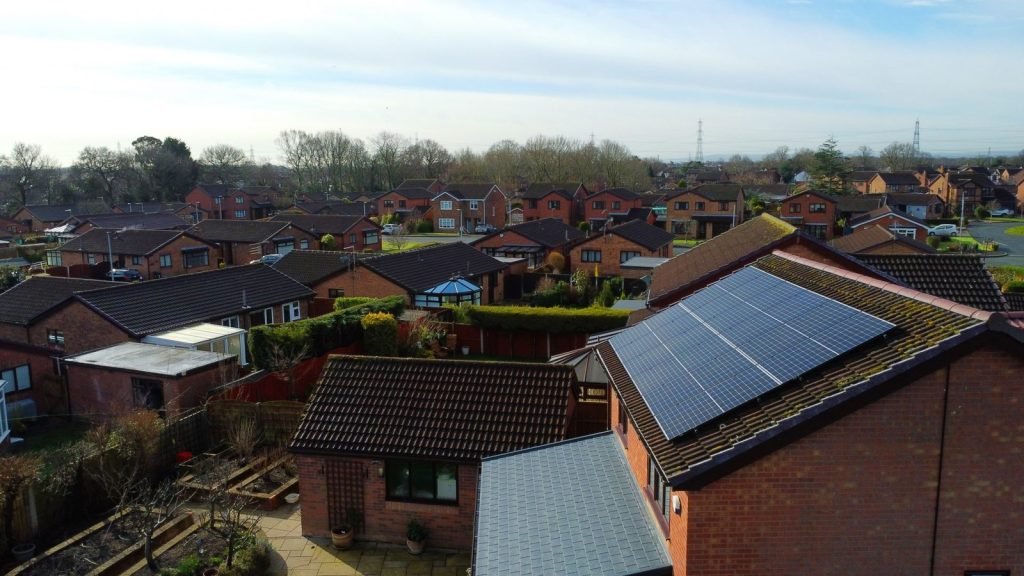
On-roof solar suits most homes with a structurally sound roof and enough unshaded space for panels. It is usually the best option when the existing roof is in good condition and there is no need to replace the tiles or covering. It works on a wide range of roof types and is often more straightforward than an integrated in-roof system.
If you are already replacing your roof, building an extension or constructing a new home, an in-roof system may be worth considering instead. For properties with an unsuitable or heavily shaded roof but plenty of land, ground-mounted solar is the other route.
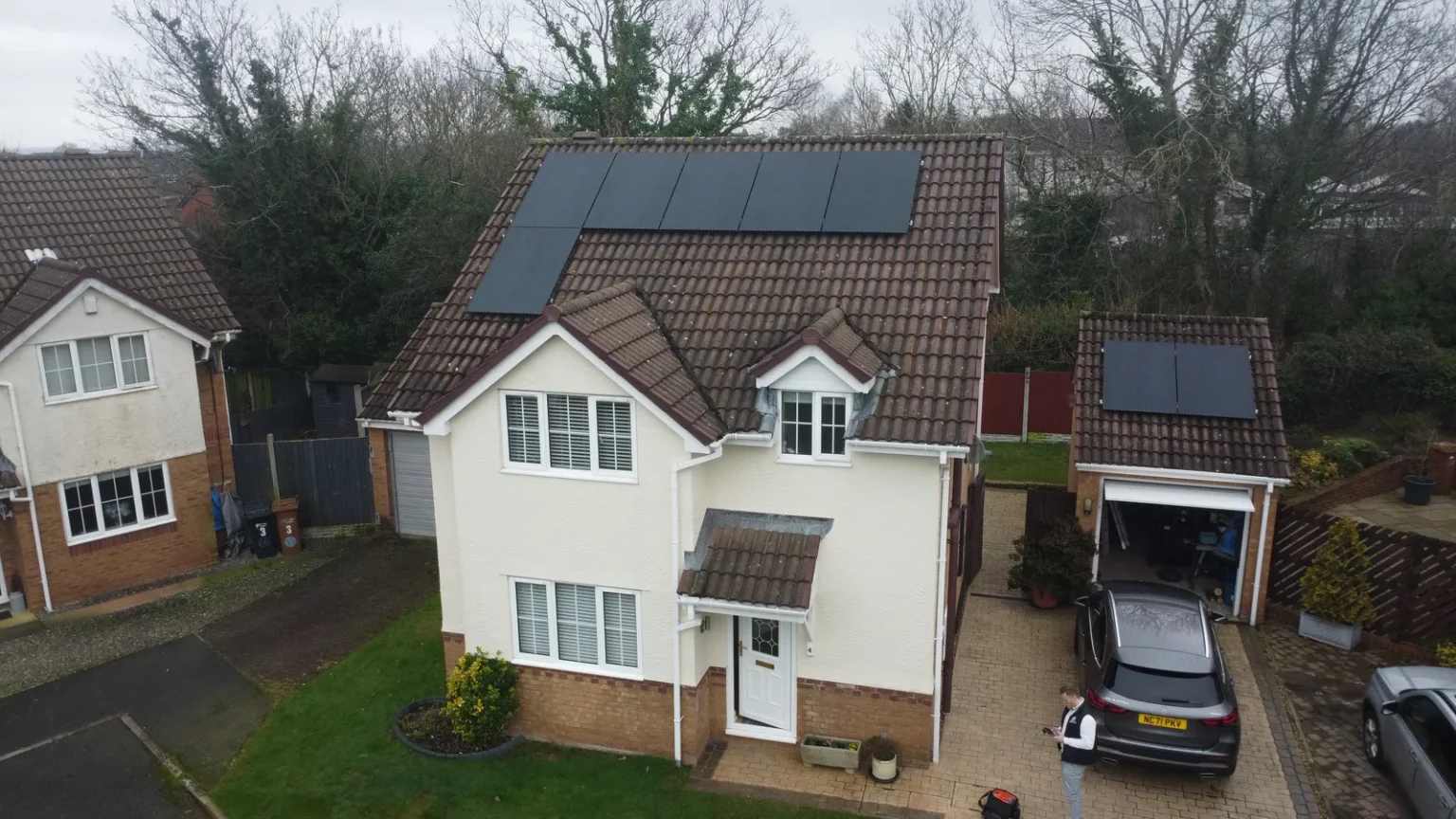
We look at your property, roof space and electricity usage to work out what size of system would suit your home.
Roof orientation, pitch, available space and shading all feed into a system design and an expected generation forecast.
The panels are mounted securely to the roof and connected to an inverter, which turns what they generate into power you can use around the house.
The system is tested, commissioned and connected to its monitoring platform. Where required we manage the DNO application, MCS documentation and handover pack.
Smaller properties or limited roof space
Typical family homes
Larger homes or higher electricity use
Large properties with significant roof space or demand
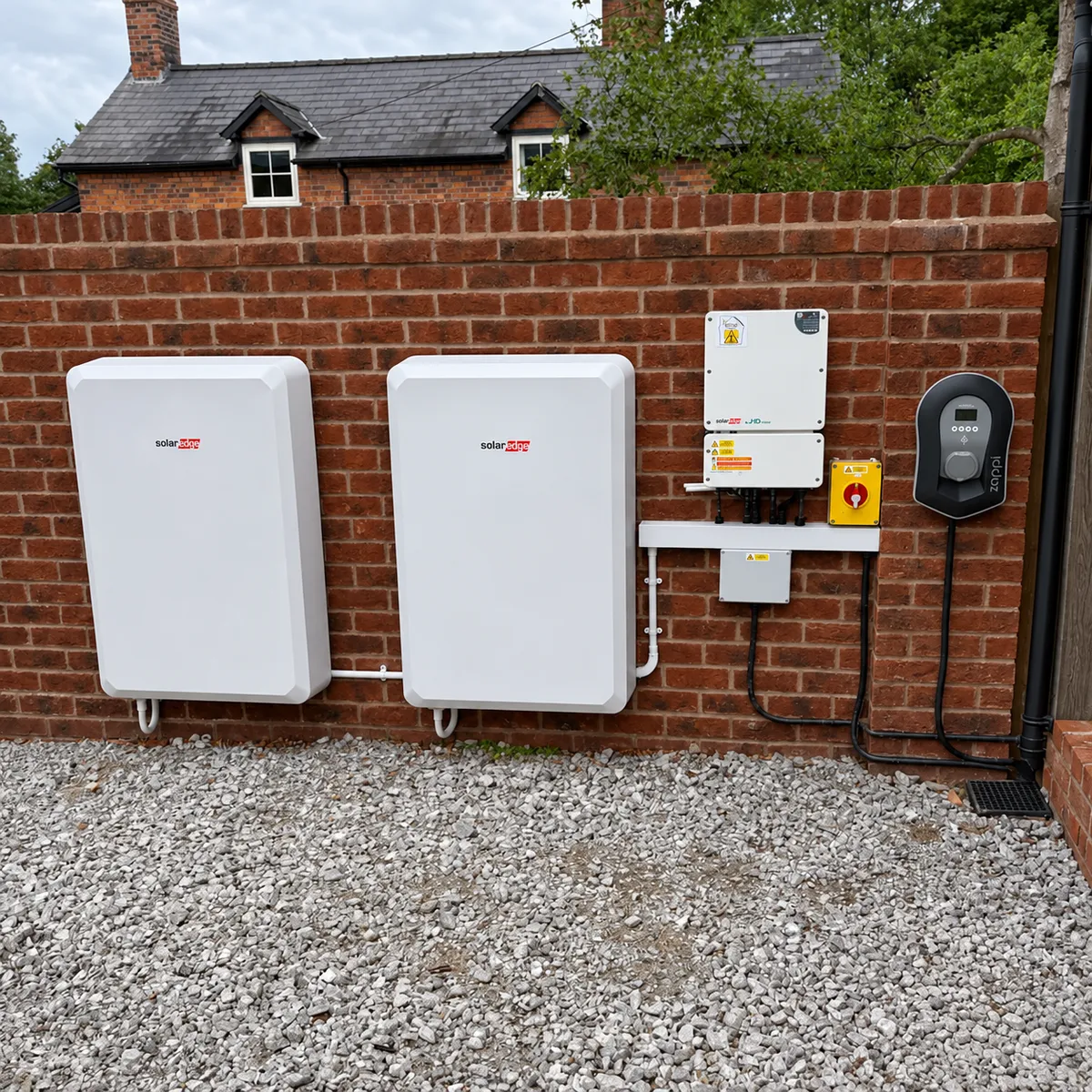
Where it suits the property, battery storage lets you store daytime generation for the evening, and an EV charger lets you run the car on your own electricity. Both can be designed in from the start or added later.