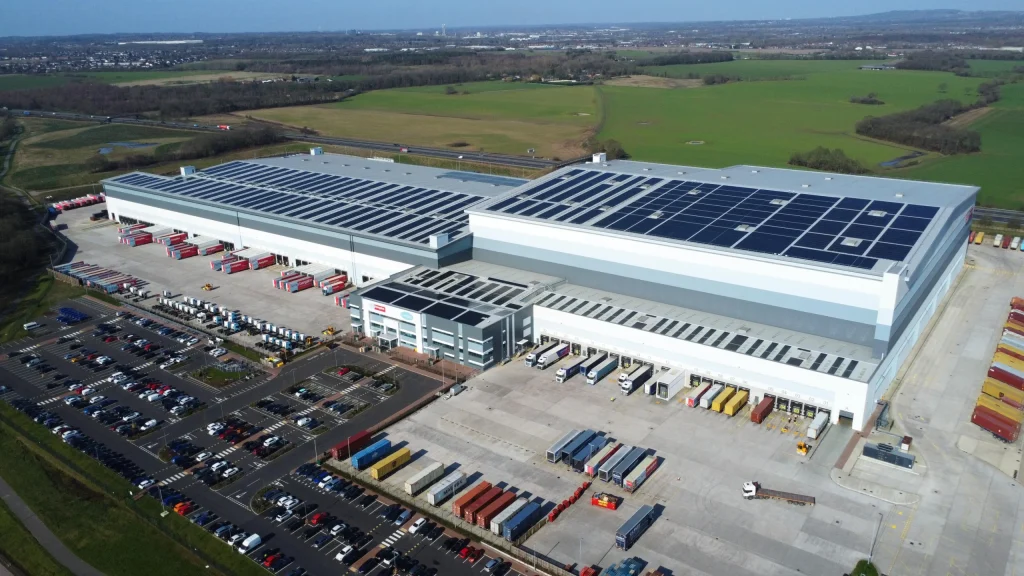






















Distribution centres, manufacturing facilities, logistics hubs and large warehouses often use significant electricity during the same hours a solar system is generating, so a high proportion of the output is used directly on site. It is particularly effective where there is refrigeration, automation, machinery, lighting, EV charging or other continuous loads.
We would not simply fill the roof. The system is designed around the site’s consumption, available connection capacity and long-term energy plans, and where there is excess generation or significant peak demand, battery storage is considered as part of the wider system.
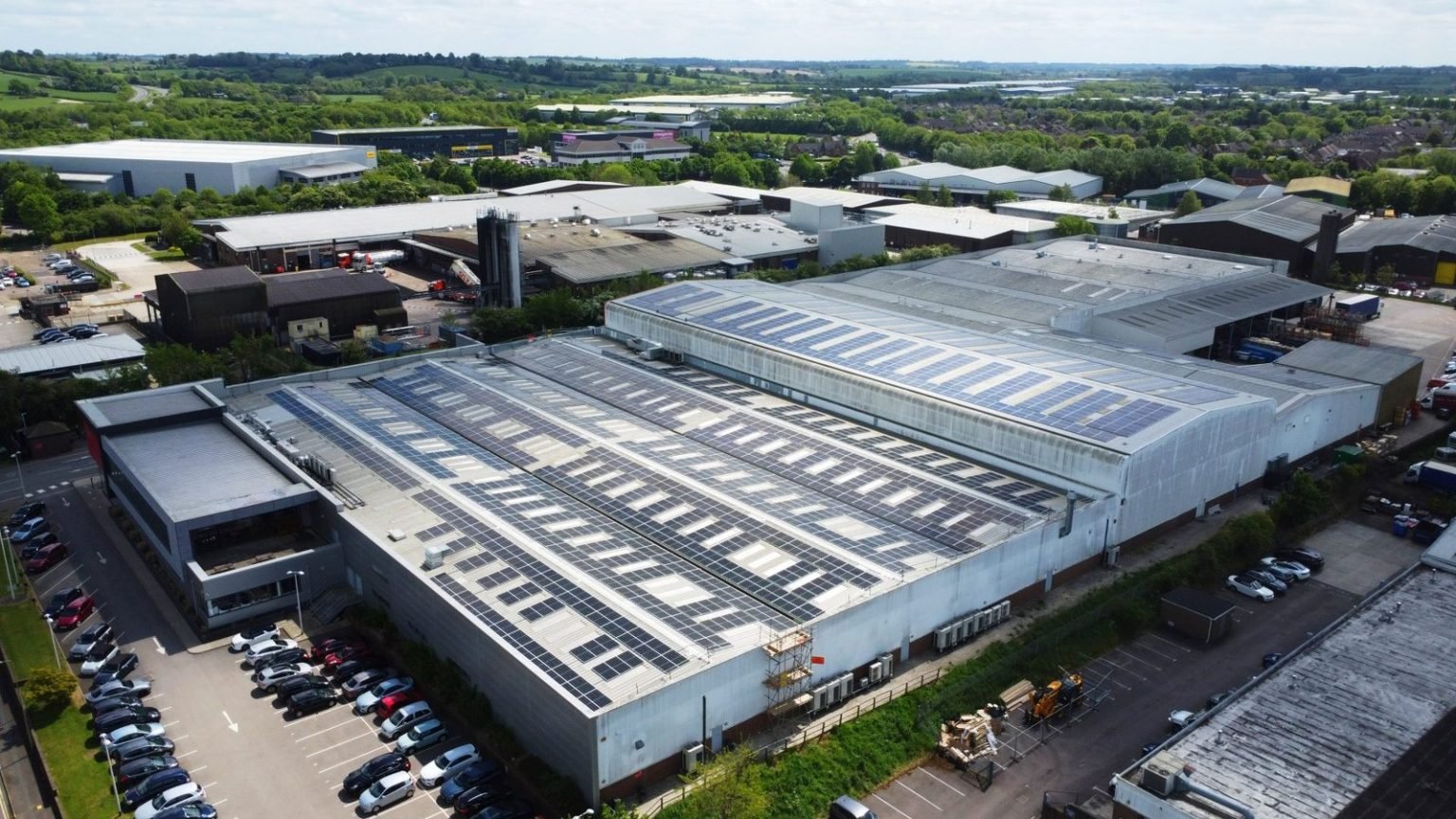
We review energy data, available roof or ground space and the existing electrical infrastructure, then carry out a detailed survey covering roof construction, access, connection points, existing plant and operational constraints.
Panel layouts, inverter configuration, expected generation and electrical connection requirements. Where required, Genfit coordinates structural surveys, DNO applications, lifting operations and other specialist works.
Works are phased around deliveries, production and site traffic, including planned crane lifts, roof access arrangements and electrical shutdowns, so the site keeps running.
The system is fully tested, commissioned and handed over with monitoring access and documentation. Ongoing maintenance and monitoring are available.
Smaller industrial units and warehouses: roughly 90,000 to 225,000 kWh a year
Medium warehouses and manufacturing sites: roughly 225,000 to 450,000 kWh a year
Large factories and distribution facilities: roughly 450,000 to 900,000 kWh a year
Major warehouses, logistics hubs and distribution centres: 900,000 kWh a year and up

Genfit has delivered rooftop solar for Victorian Plumbing in Leyland, Beko in Watford, Norbar Torque Services in Banbury, James Cropper’s paper mill in Burneside and Premier Park, among others. Each was installed while the site stayed operational.