Discover why solar panels are a smart investment in cold climates. Learn how they perform efficiently in winter, handle snow, and provide financial benefits, with tips to maximize energy production in less sunny areas.

When most people think of solar panels, they envision sunny, warm climates with long days of bright sunshine. But what about those living in colder regions? Can solar panels still be a viable option in areas that experience harsh winters, heavy snowfall, and shorter daylight hours? The answer is a resounding yes! Solar panels can be highly effective in cold climates, and in many cases, they can perform just as well—or even better—than in warmer regions. Let’s explore why solar panels are worth considering in cold climates and how you can maximize energy production even when the sun isn’t always shining.
One of the most common misconceptions about solar panels is that they require hot temperatures to function efficiently. In reality, solar panels rely on sunlight, not heat, to generate electricity. In fact, solar panels are often more efficient in colder temperatures because excessive heat can reduce the efficiency of photovoltaic (PV) cells. This means that on clear, cold days, your solar panels may actually produce more electricity than they would on a hot, sunny day.
Snow is another concern for homeowners in colder climates, but it’s not as problematic as you might think. While heavy snowfall can temporarily reduce energy production by covering the panels, snow generally slides off easily due to the smooth, angled surface of most solar panels. Additionally, the dark surface of the panels helps absorb sunlight, which can cause snow to melt more quickly. In many cases, snow coverage is only a temporary issue, and the overall impact on energy production is minimal.
Although solar panels can be highly effective in cold climates, there are a few strategies you can use to ensure you’re getting the most out of your system.
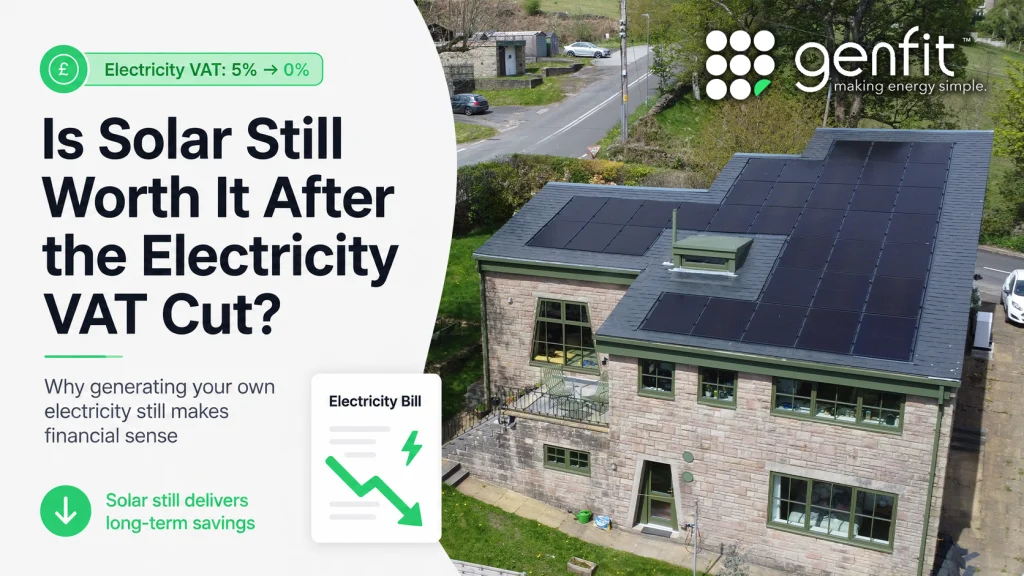
Beyond the environmental advantages, solar panels can offer significant financial benefits in cold climates. Rising energy costs make solar power an attractive option for reducing your electricity bills. Additionally, many governments offer incentives, rebates, and tax credits to encourage solar adoption, making the initial investment more affordable.
In colder regions where heating costs are a major concern, solar panels can help offset these expenses by providing a reliable source of renewable energy. While the upfront cost of solar panels may seem daunting, the long-term savings on energy bills often make the investment worthwhile. Plus, solar panels can increase the value of your home, providing an additional financial benefit.
Absolutely! Solar panels are a viable and effective energy solution, even in cold climates. With proper installation, regular maintenance, and the use of high-efficiency panels, homeowners in colder regions can enjoy the benefits of solar energy all year round. Whether you’re looking to reduce your carbon footprint, save on energy costs, or gain energy independence, solar panels are a smart investment—no matter where you live.
Don’t let the cold weather deter you from exploring solar energy options. With the right approach, you can harness the power of the sun, even when the temperature drops.