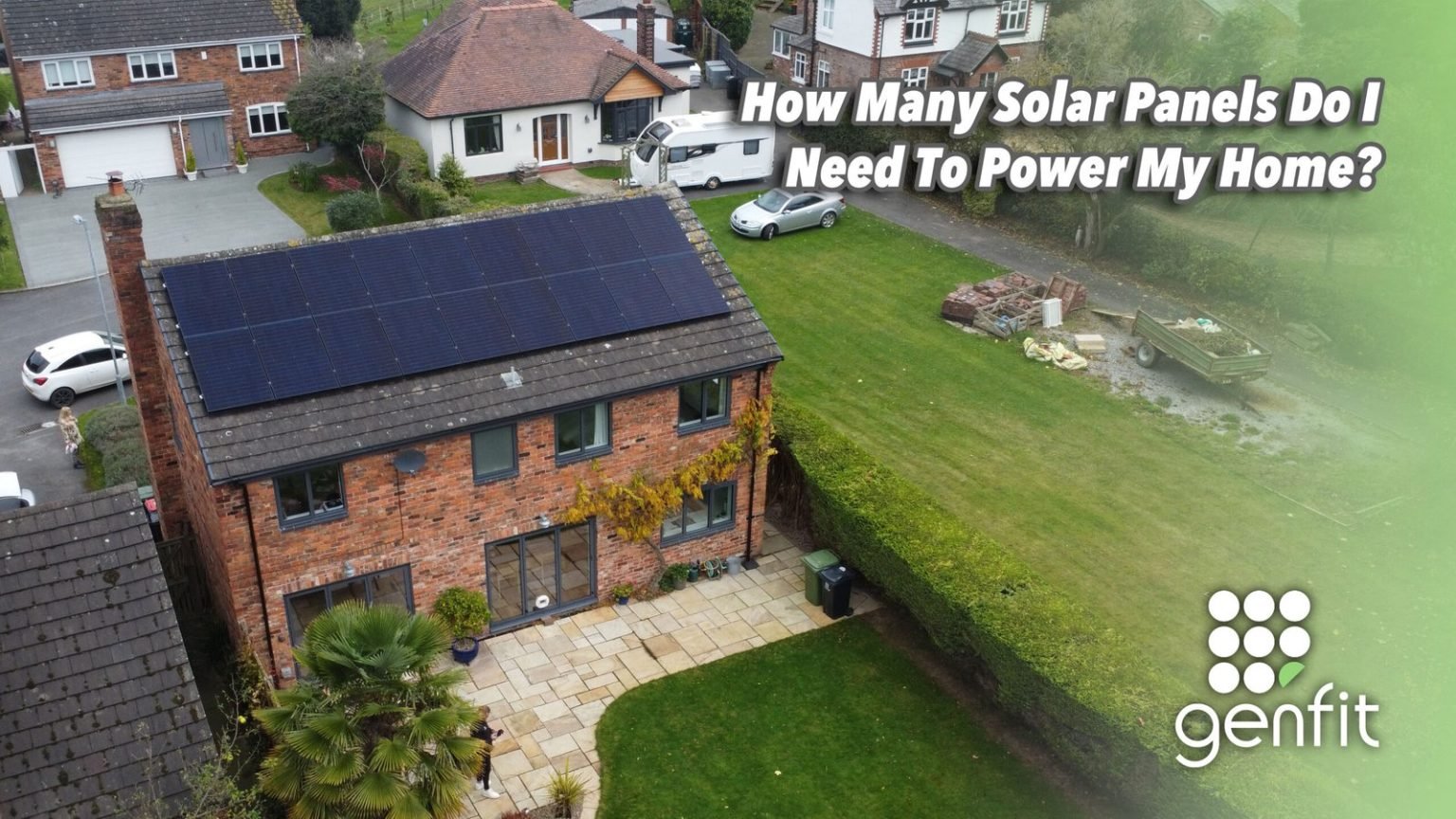
In the pursuit of sustainable living and reducing our carbon footprint, solar power has emerged as a promising solution. Harnessing energy from the sun not only lowers electricity bills but also contributes to a cleaner environment. However, one common question that often arises is, “How many solar panels do I need to power my home?” Let’s dive into the details and demystify this question.
Before determining the number of solar panels required, it’s crucial to understand your home’s energy consumption. Start by reviewing your electricity bills over the past year to gauge your average monthly usage. Look for patterns in seasonal variations as energy needs may fluctuate depending on factors like weather and lifestyle changes.
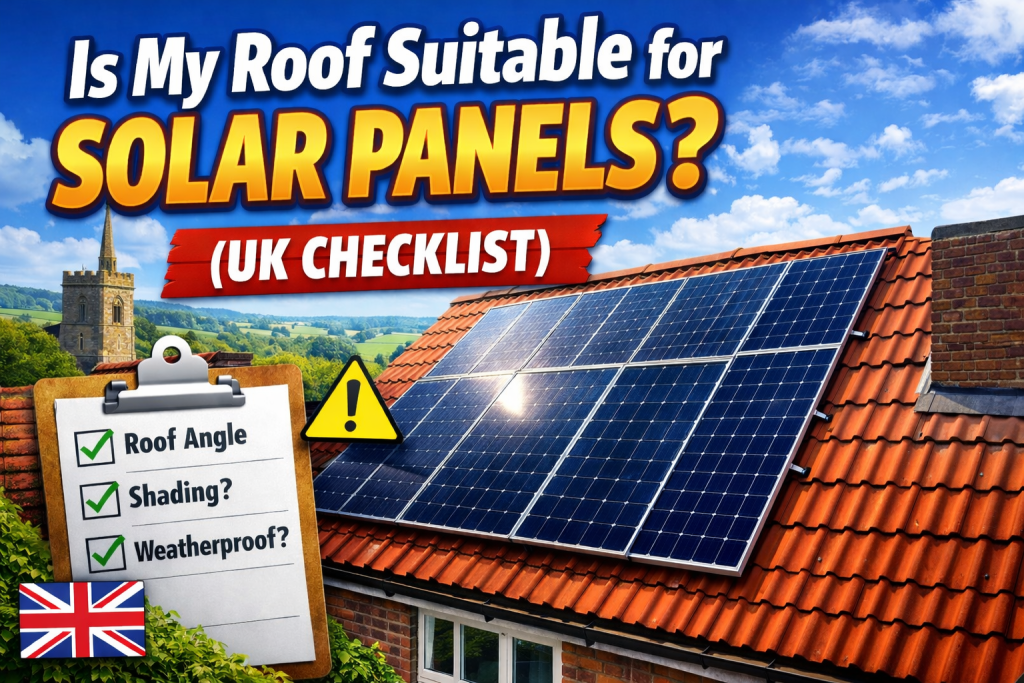
The amount of sunlight your location receives plays a significant role in determining solar panel efficiency. Areas with more sunlight throughout the year will generate more electricity, making them ideal for solar installations. Tools like the National Renewable Energy Laboratory’s PVWatts calculator can provide estimates based on your location, roof orientation, and shading factors. The best direction for your roof to be facing is south or south-west as it receives the most sunlight.
Once you have a clear understanding of your energy needs and solar potential, you can calculate the number of solar panels needed. The key factors to consider include:
Genfit will provide recommendations and accurate assessments on your home to see how many solar panels you will need. Genfit conducts site evaluations, considers your specific energy needs, and proposes customised solar solutions tailored to your home.
Our range of solar panels offers the best in efficiency, durability, aesthetics, manufacturer’s warranties and value. We constantly monitor the market for the next step forward in technology so you can rest assured the Solar Panels selected are the most suitable on the market at the time of installation.
Determining the number of solar panels needed to power your home involves various factors, including energy consumption, sunlight availability, panel efficiency, and roof space. By understanding these variables and seeking guidance from Genfit, you can make informed decisions regarding your solar power installation.
Switching to solar energy not only reduces your reliance on fossil fuels but also offers long-term financial savings and environmental benefits. With advancements in technology and increasing accessibility, solar power continues to emerge as a viable and sustainable energy solution for homes worldwide.